
Entry submitted to the competition
“Best Interior Design Thesis”
This project is an attempt to provide a practical response to a problem in contemporary architecture, where the global standardization of forms and ready-made aesthetic templates are increasingly replacing a careful analysis of a site. As a result, many spaces lose their local identity and their connection to history, the landscape, and the community. The starting point for the project was the question of how architecture can restore a place’s memory—not by reconstructing the past, but by rebuilding the bond between people and their surroundings.
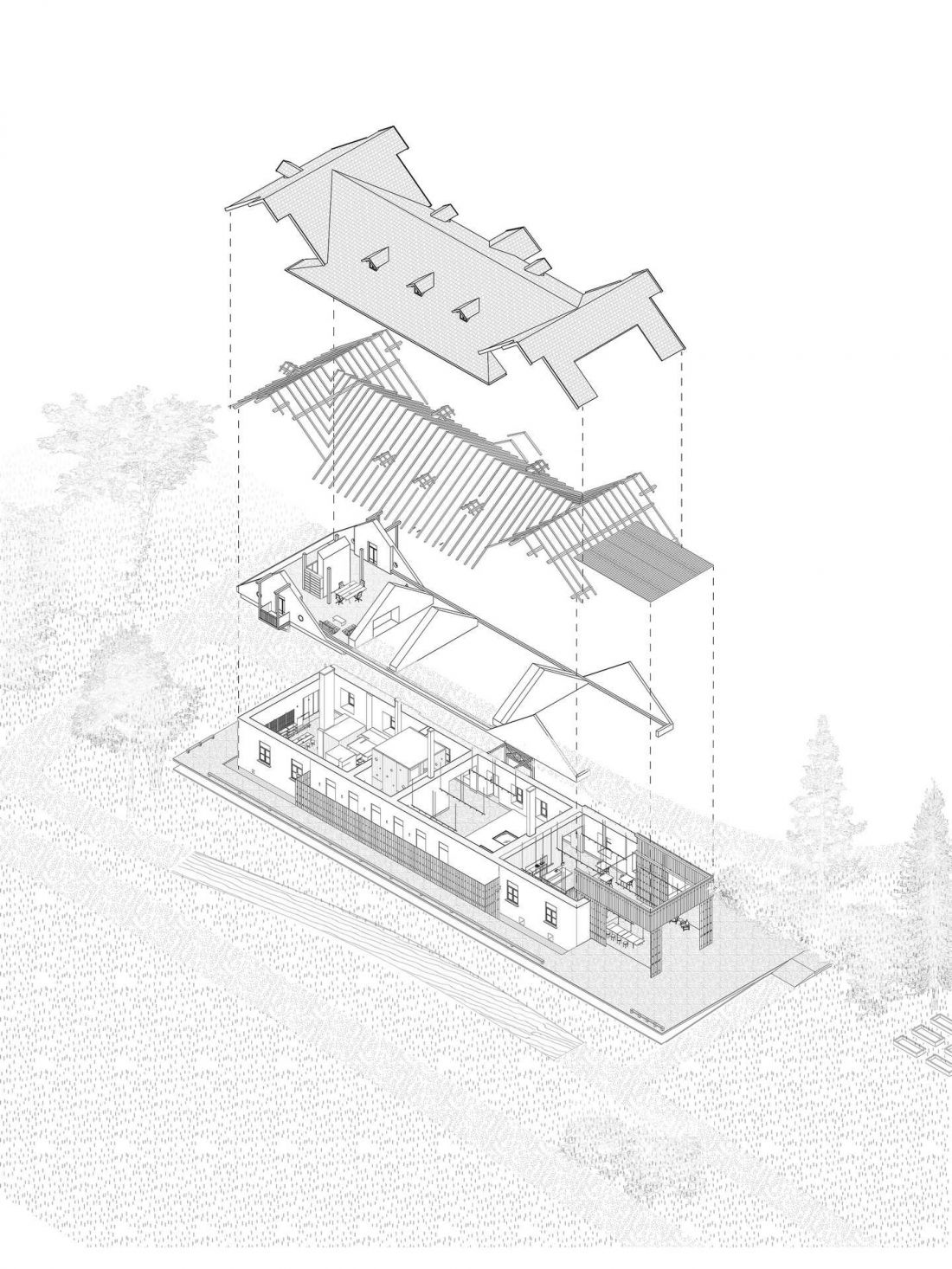
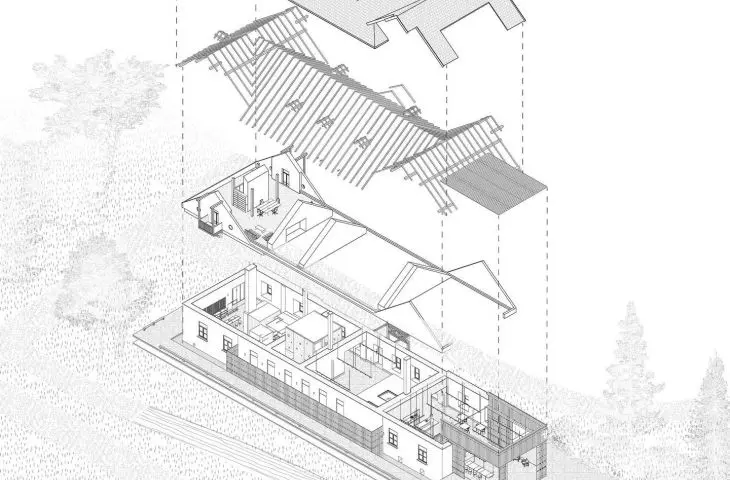
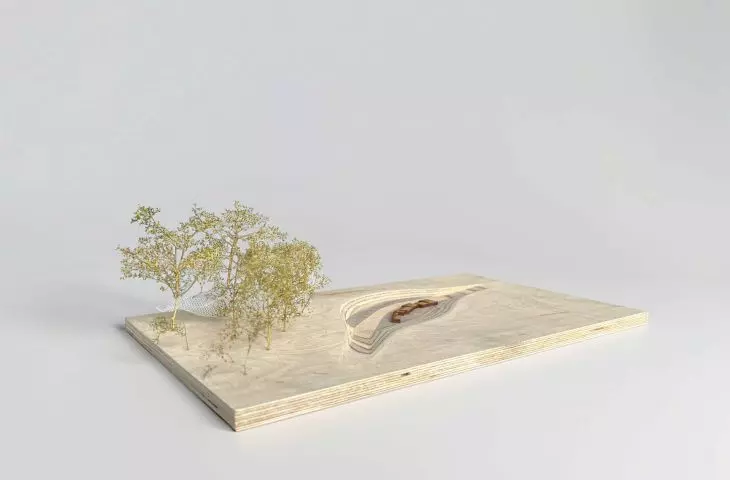
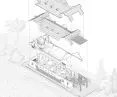
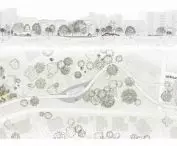
axonometric projection
© Zofia Saługa
The site of my exploration was Kraków’s Krowodrza—a neighborhood particularly close to my heart, tied to my everyday experience of the place. Living near Młynówka Królewska Park, I noticed a disconnect between the contemporary image of this space and its hidden history. The former landscape of gardens, orchards, and water remains almost invisible today, even though it still lives on in the memories of the residents.
Młynówka Królewska—a 13th-century canal cut through the Rudawa River—played a special role in shaping the neighborhood’s identity; for centuries, it set the rhythm of residents’ lives, powering mills and gardens. After the river was filled in, its presence remained only in memory and in the neighborhood’s spatial layout.
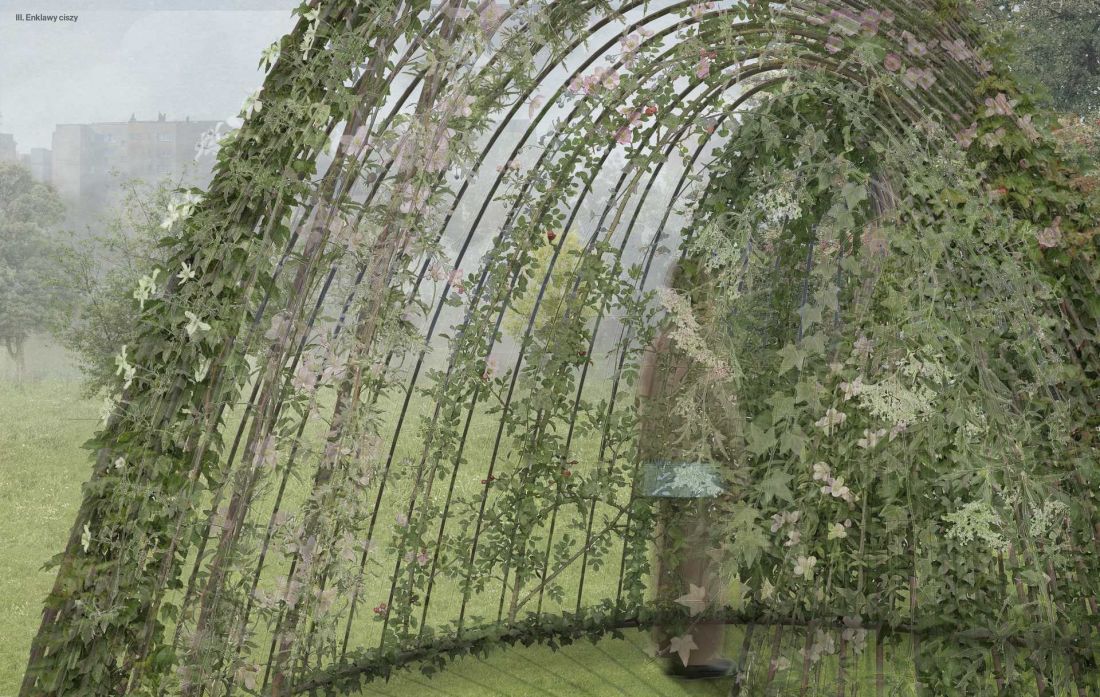
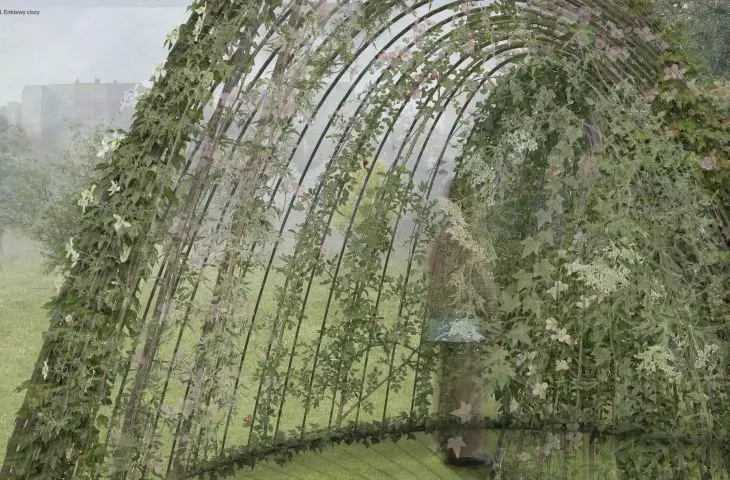
Enclaves of Silence
© Zofia Saługa
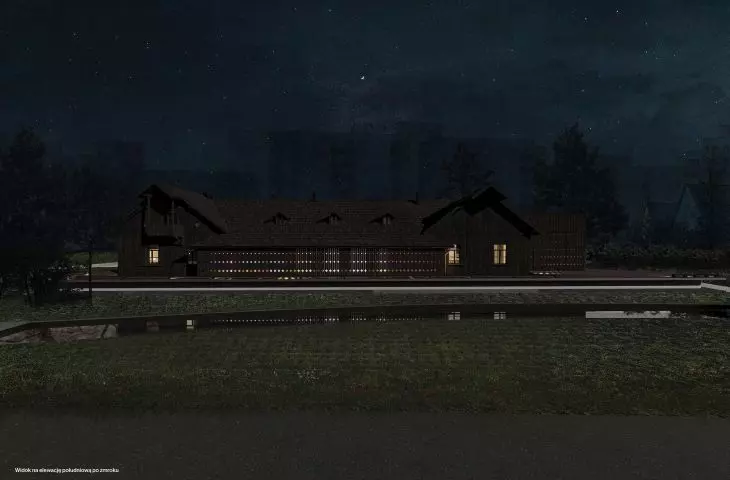
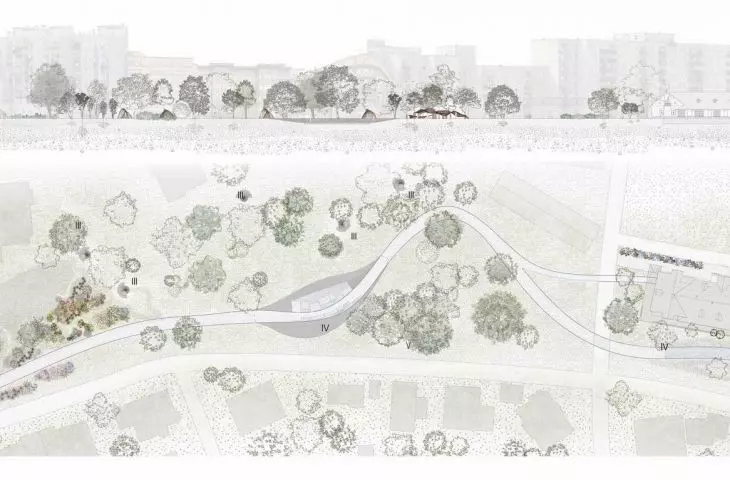
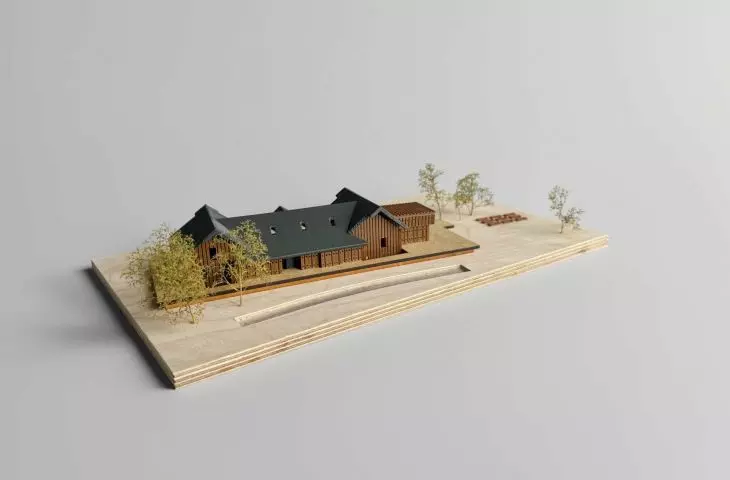
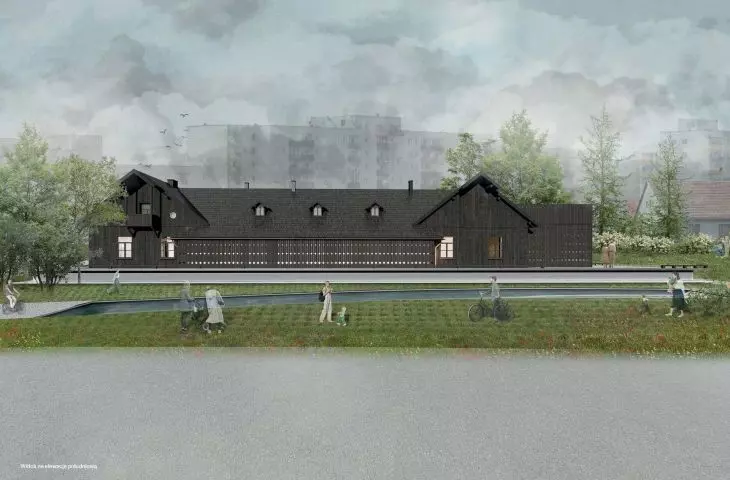
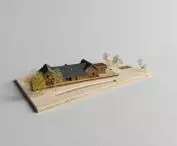
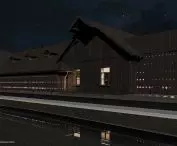
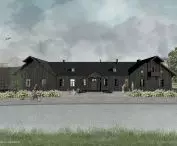
The study area covers a section along Aleja Grottgera, the focal point of which is Willa Modrzejówka—a place associated with Helena Modrzejewska’s ideals of openness and social activism. Today, the building exists in a tension between its historical value and the need for repurposing.
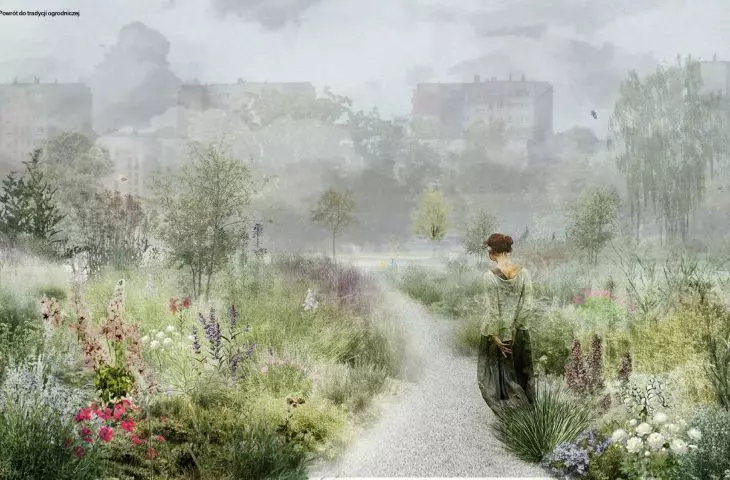
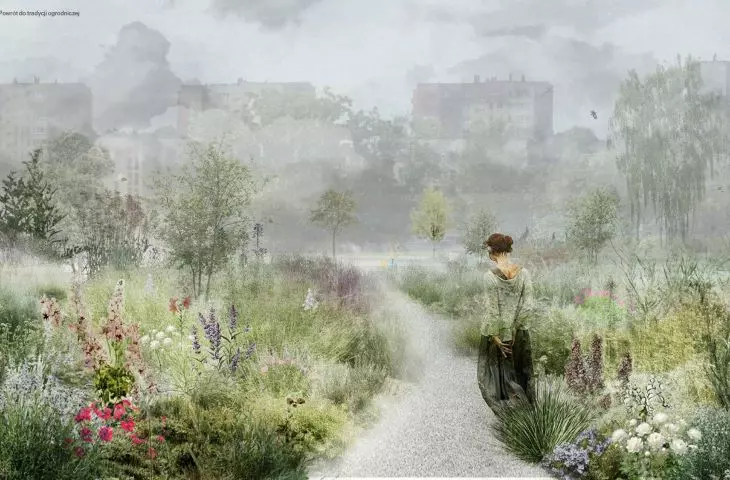
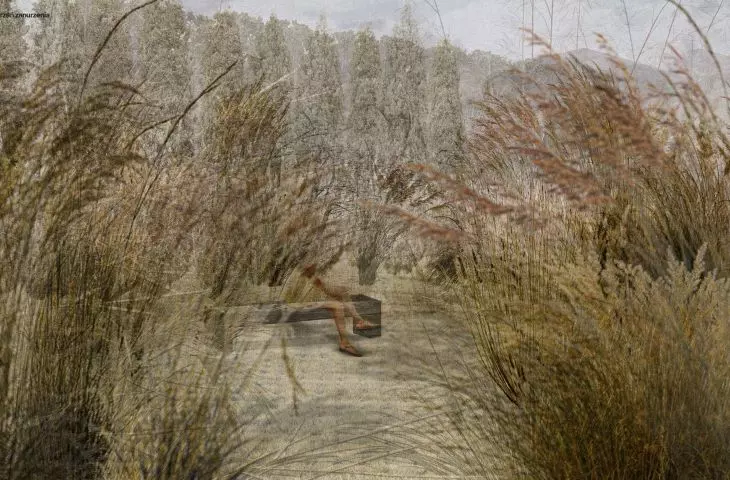
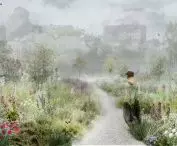
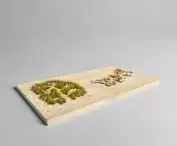
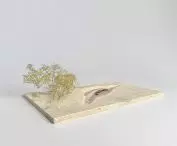
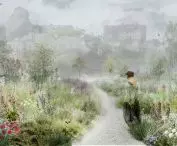
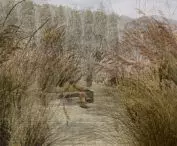
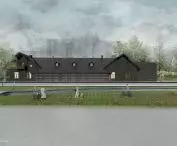
The main design tool is the Trail of Memory—a spatial interpretation of the former course of the Młynówka Królewska. It is not a reconstruction of the river, but an attempt to restore its presence through sensory experience. Water, vegetation, sound, and movement guide the visitor through successive traces of the former landscape.
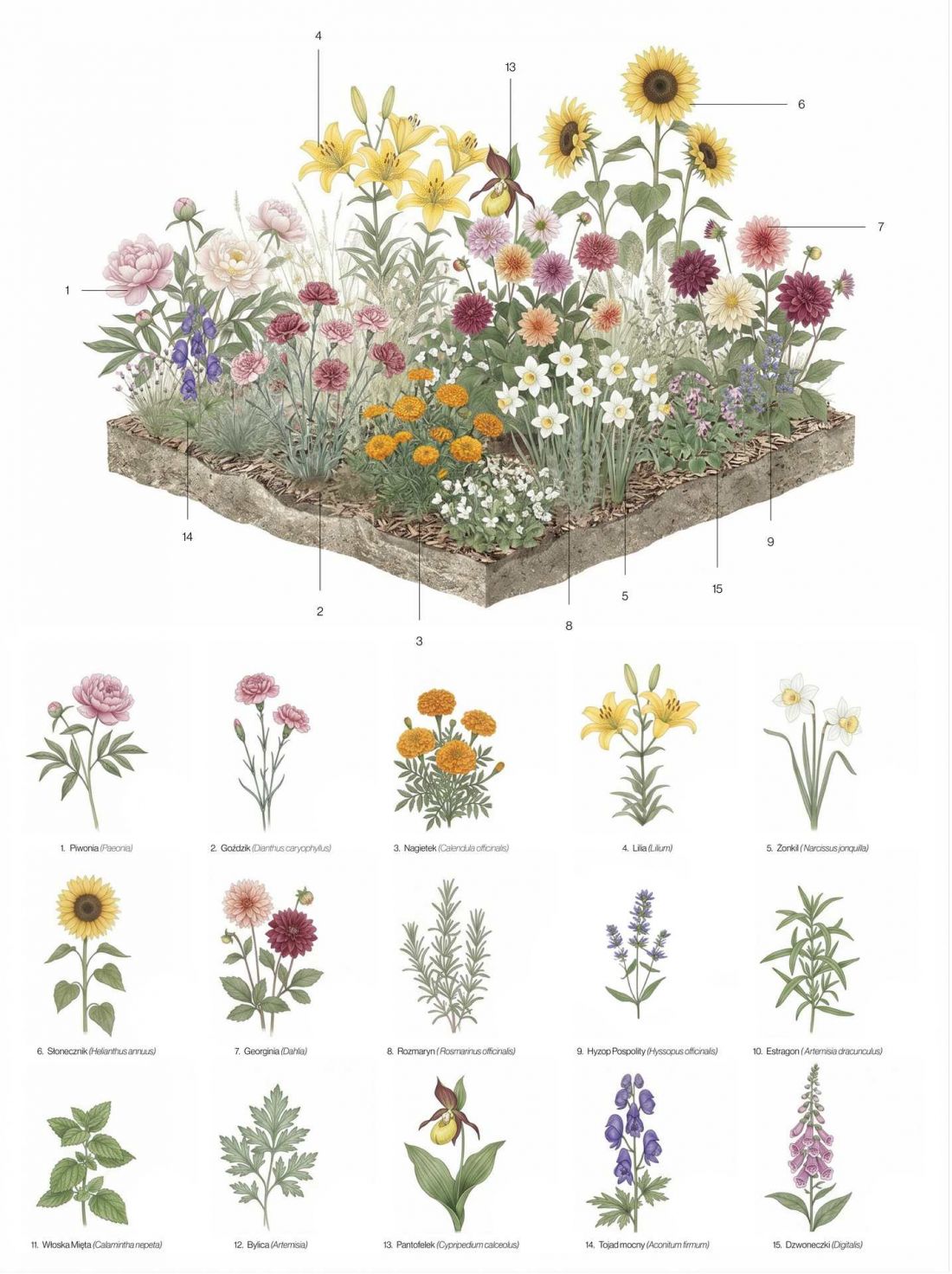
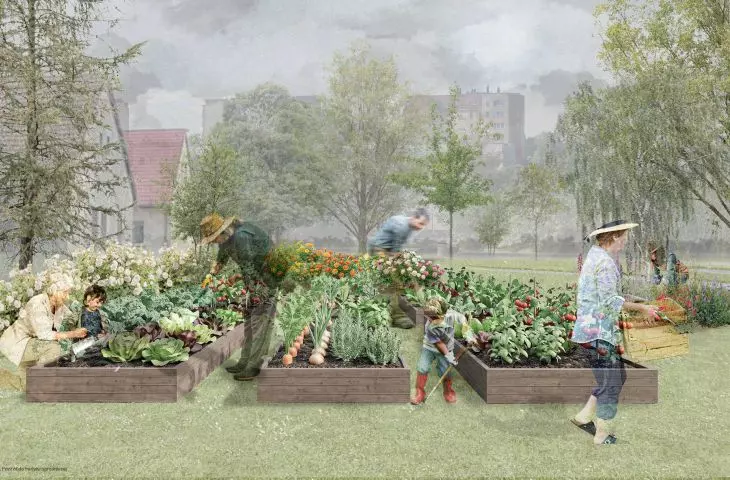
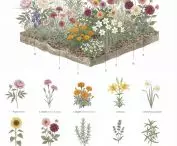
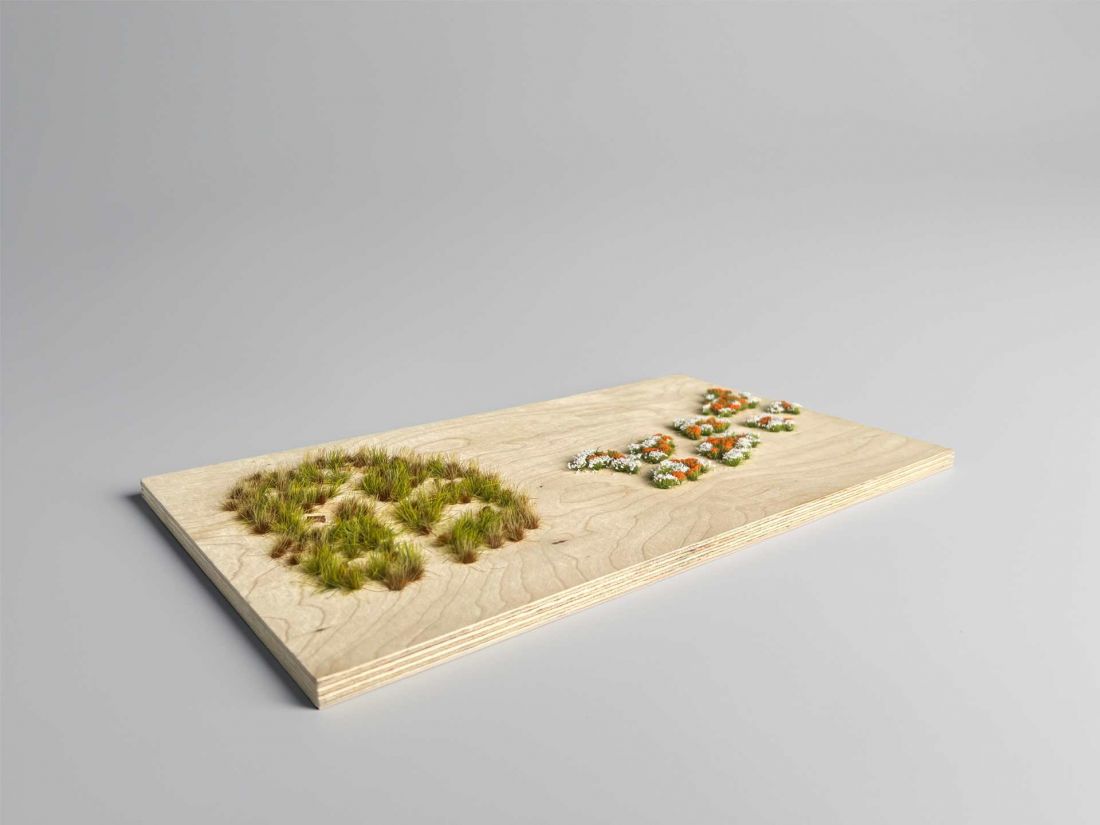
flowers
© Zofia Saługa
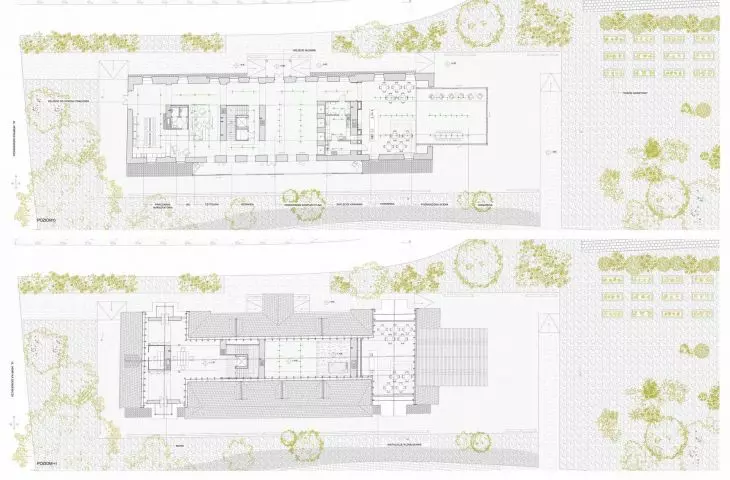
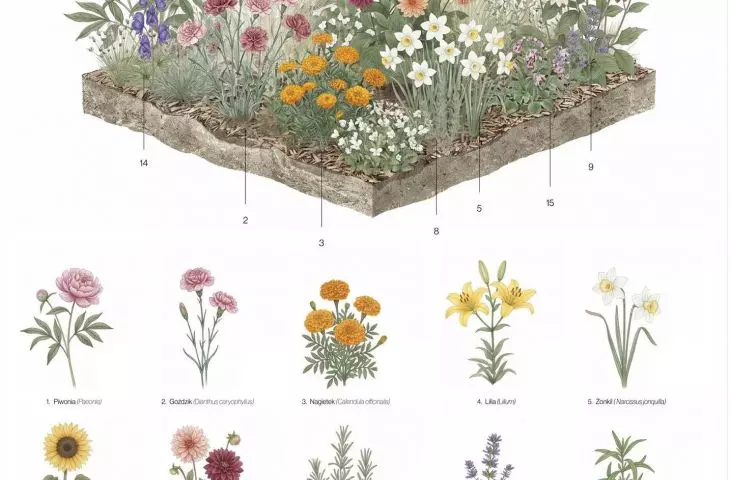
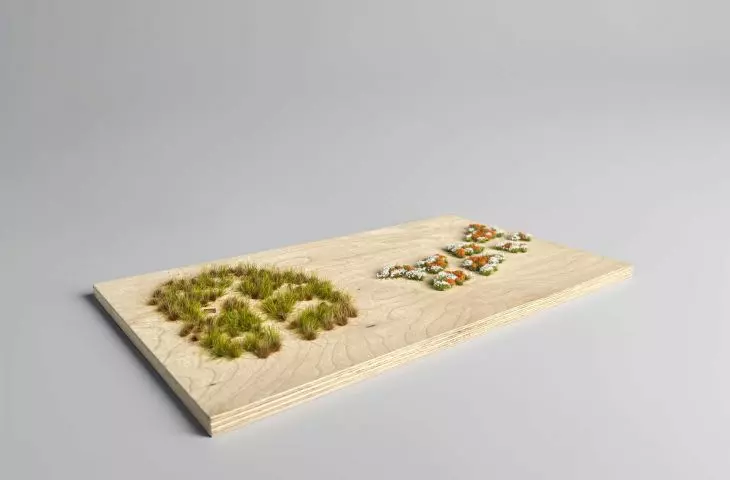
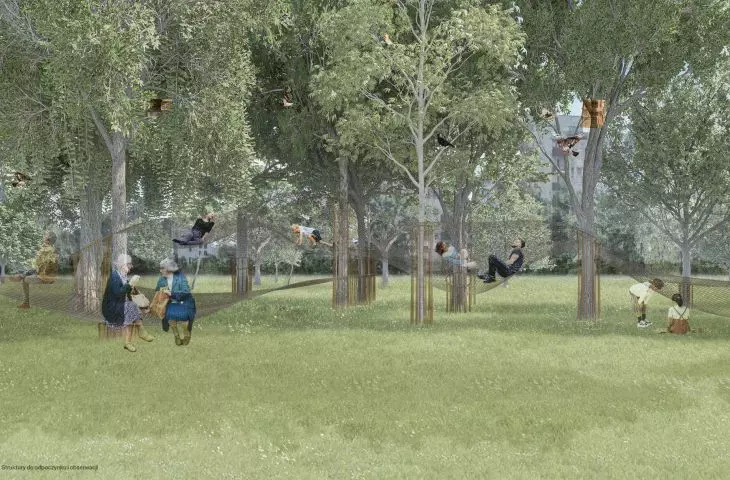
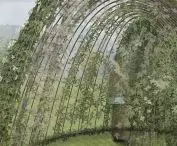
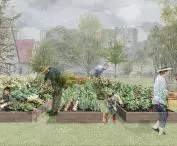
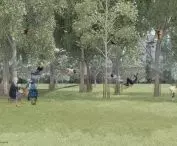
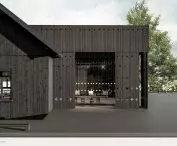
Elements of the trail include resting and observation spots integrated into the existing greenery, structures inspired by baubotany, and spaces that make use of the soundscape. Krowodrza’s horticultural tradition is also revived through flower beds and community vegetable gardens, thanks to which the history of the place becomes part of everyday life.
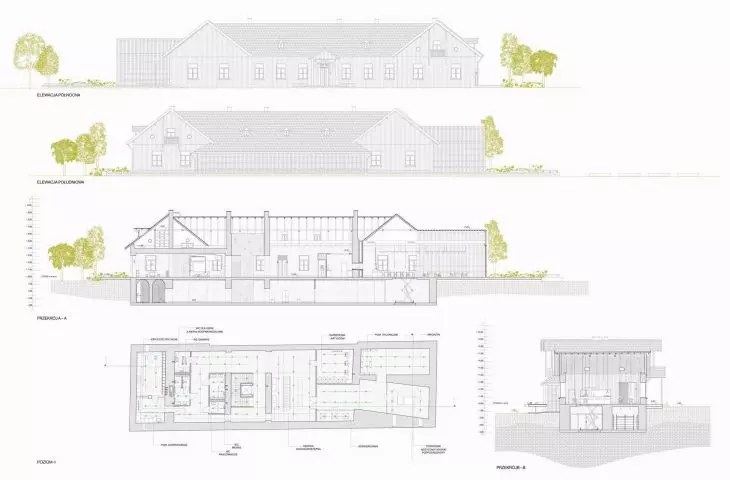
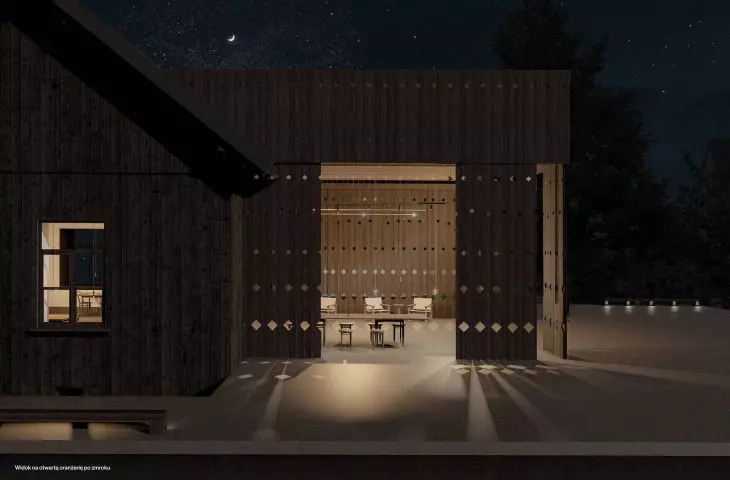
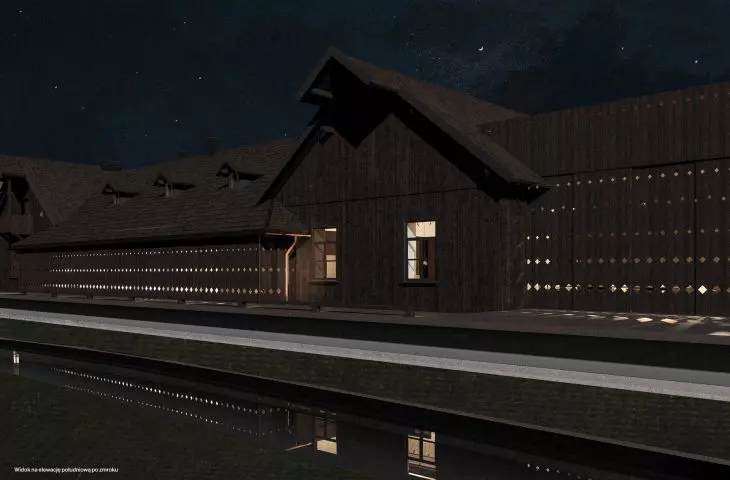
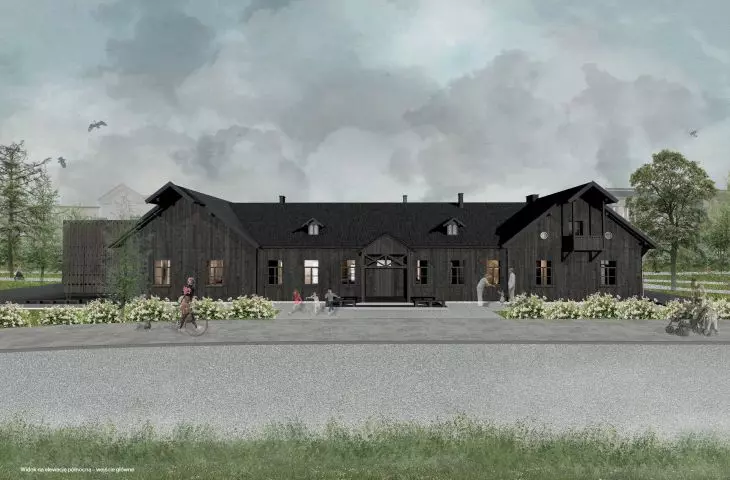
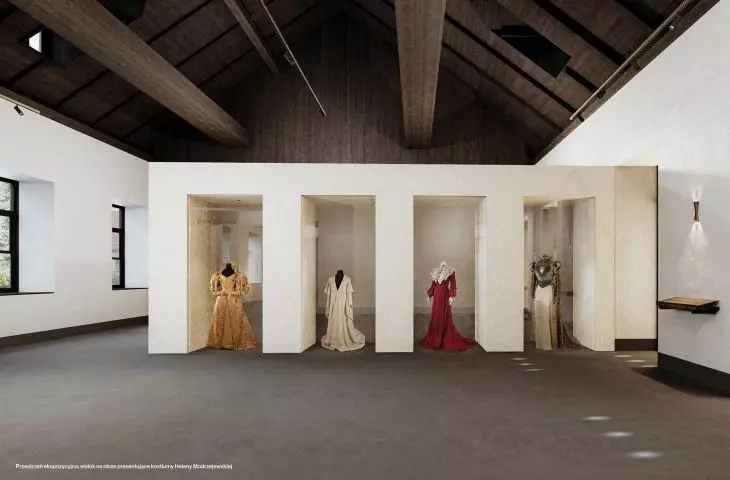
The culmination of the Memory Trail is Villa Modrzejówka, which is regaining its function as an Open House—a space that is accessible, flexible, and responsive to the needs of the local community. The revitalization project is based on preserving the building’s authenticity and bringing its historical layers to light.
mlynówka
© Zofia Saługa
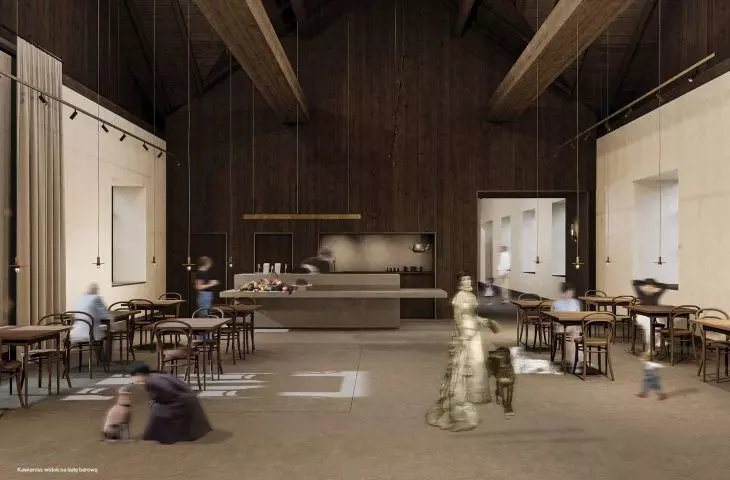
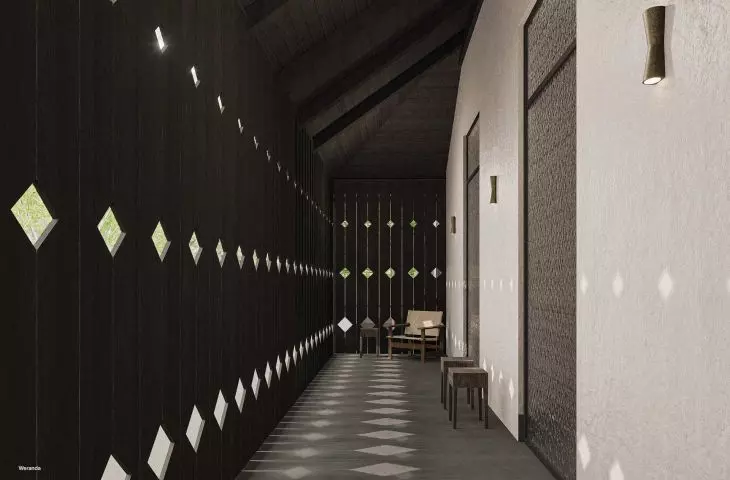
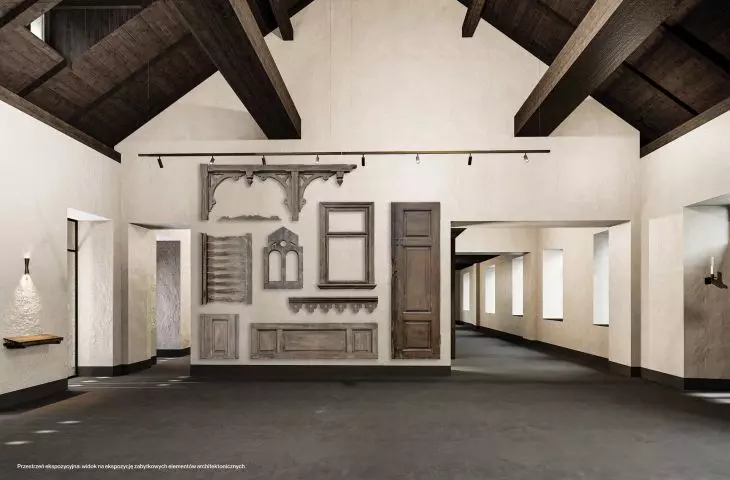
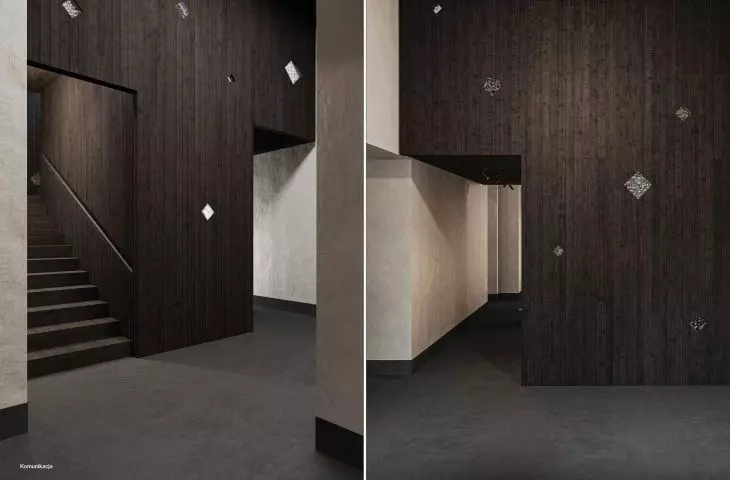
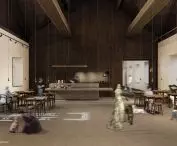
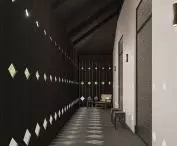
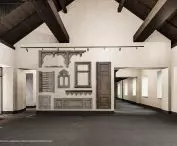
Inside, the traditional roof truss is prominently displayed, serving as one of the space’s main elements. Larch wood is the dominant material, used in the finishes, furnishings, and details inspired by historical woodcarvings. Geometric motifs appear in screens, built-in elements, and woodwork, creating a contemporary interpretation of the building’s character.
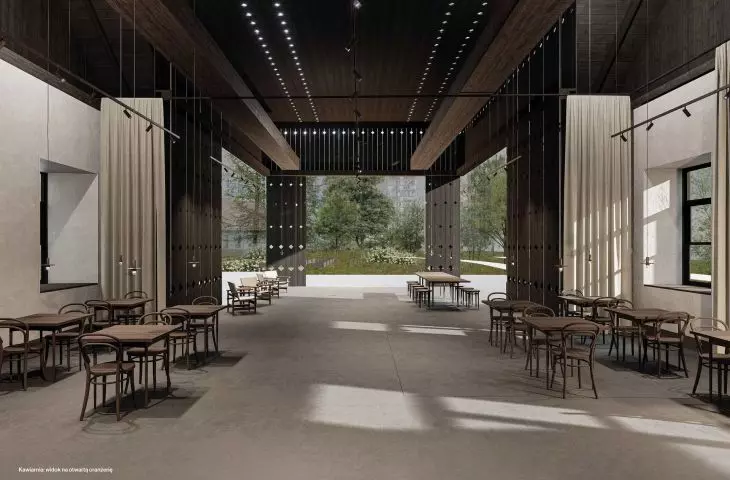
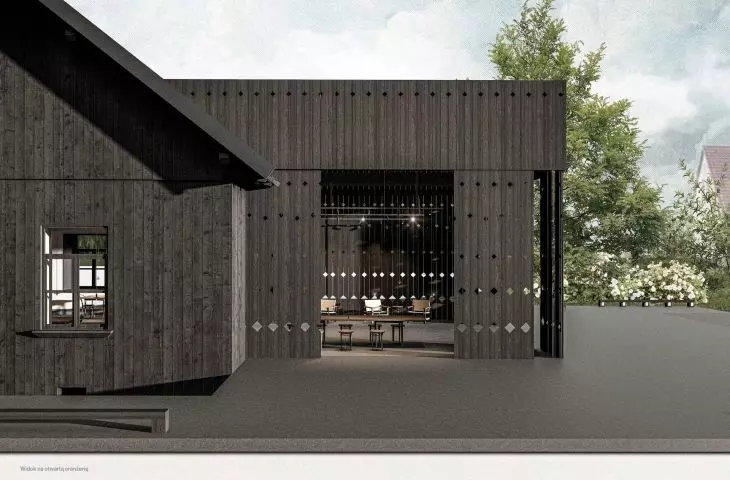
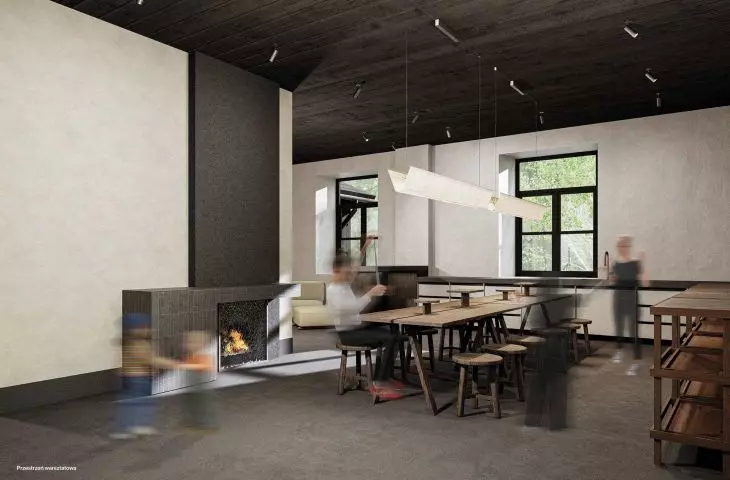
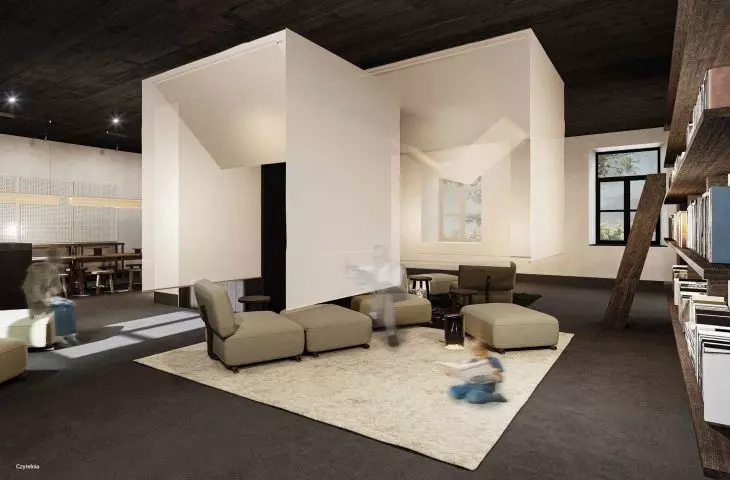
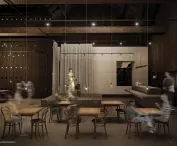
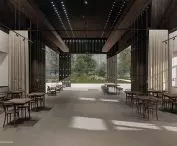
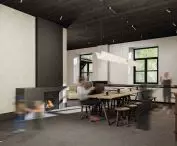
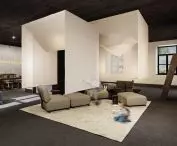
The ground floor serves as the most public part of the villa—it houses a café with a conservatory, exhibition spaces, and gathering places for residents. The reading room was designed as a quiet space with full-height bookshelves and light screens made of washi paper. The workshop space, centered around a historic fireplace, facilitates educational and community activities.
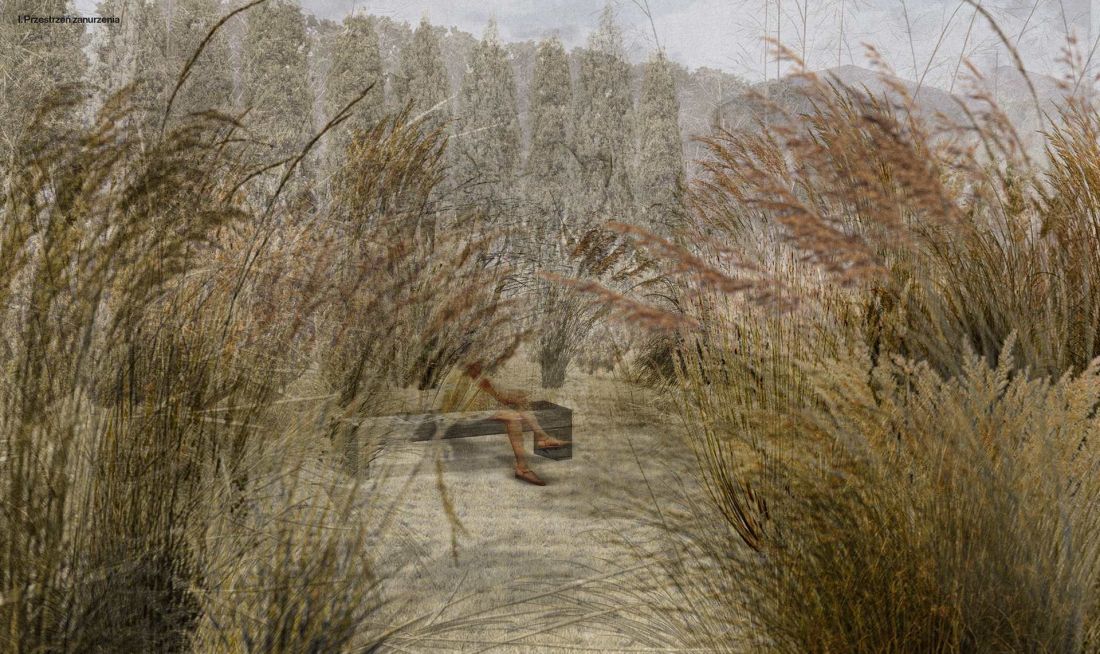
immersion space
© Zofia Saługa
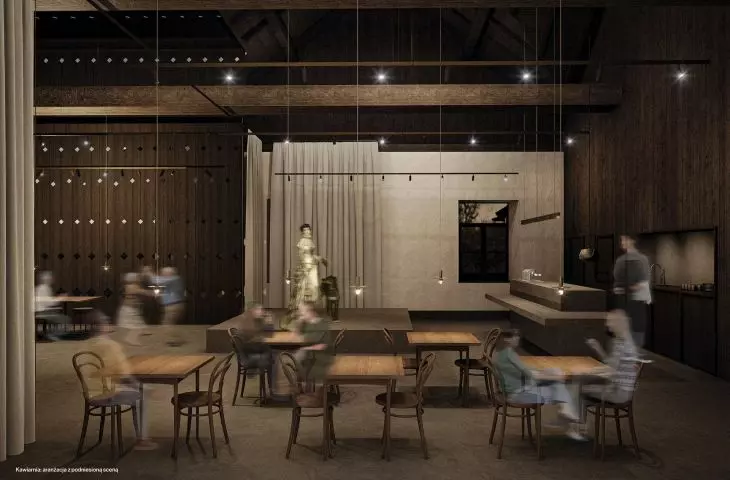
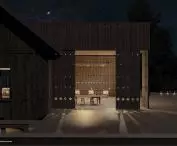
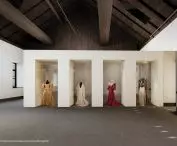
The building’s multifunctionality is highlighted by the ability to transform part of the café into an event space thanks to a hidden technical backstage area and a stage lift. The attic houses the foundation’s headquarters—a contemporary workspace integrated into the historic structure.
The project demonstrates that interior architecture can serve as a tool for restoring a place’s memory by creating spaces that not only preserve heritage but also allow it to be experienced in everyday life.
{tag:studenci}
Illustrations: © Author